About
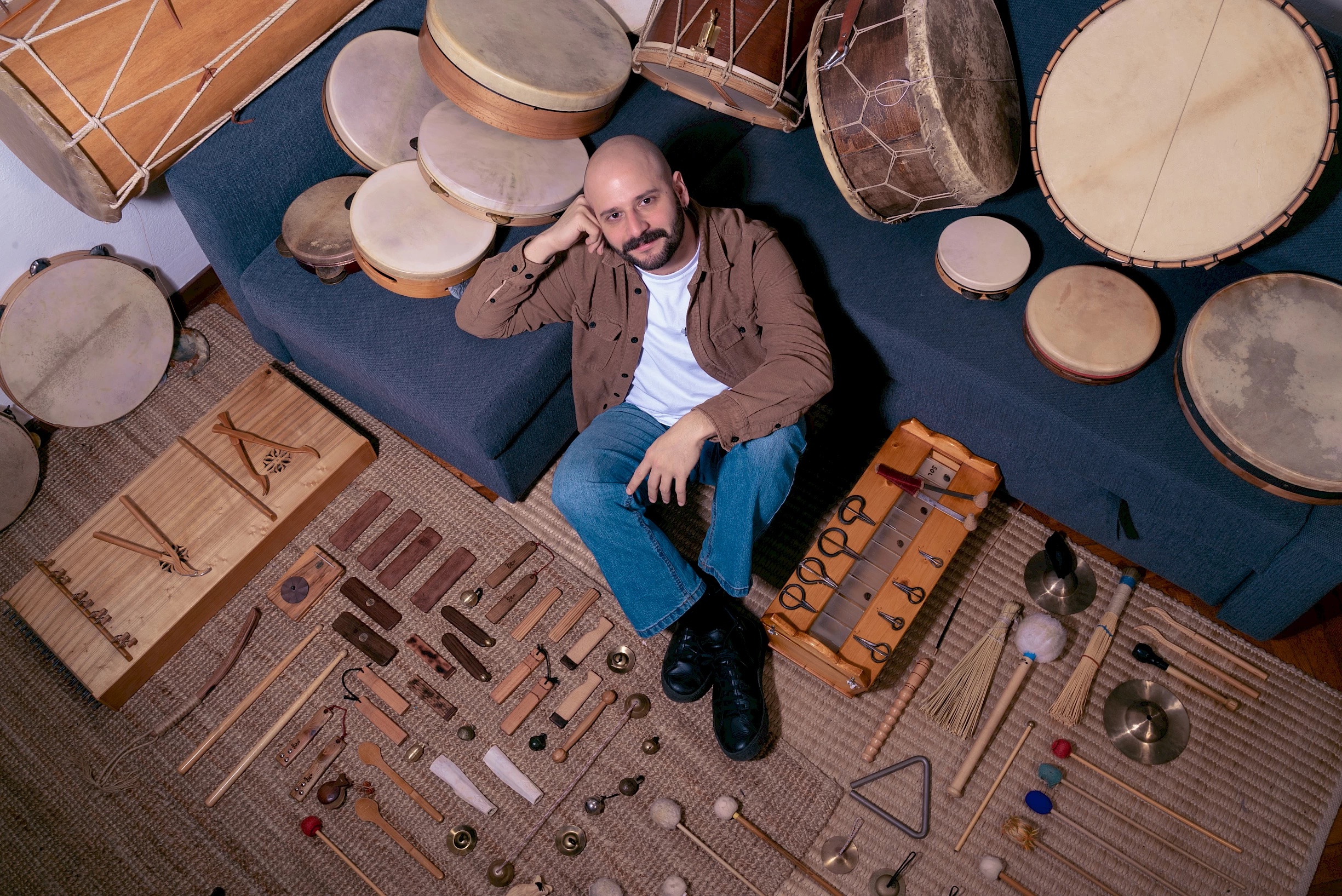
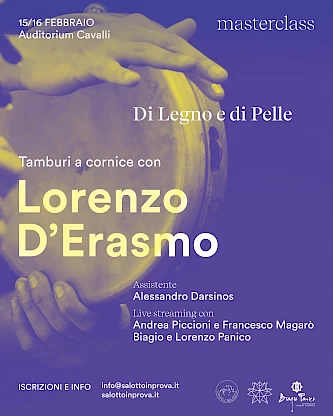
Frame drums are one of the oldest and most geographically widespread families of percussion instruments; each instrument in the family represents different musical realities and repertoires. Given their ancient origins, this family of percussion instruments is found in various parts of the world, both as indigenous percussion instruments and as instruments influenced by other music, techniques, and approaches throughout history.
The structural and construction elements of each drum (the type of frame, the jingles, the handle, etc.) represent the “signature” of the playing technique and traditional repertoire, with the aim of encouraging students of the instrument to engage with the various repertoires of reference and to rework them personally in relation to their own research. The modern convention mainly presents three categories of frame drums: Mute Drums - Tambourines - Drums with hoops; categories that are divided into many types of subcategories and collateral instruments.
The aim of the Masterclass is to raise participants' awareness of the presence of these instruments in the history of percussion, and how they have influenced and are present in the repertoire of Western music, both classical and ancient.
There will also be a comparison between the different frame drum techniques found in the classical repertoire (in particular the Basque tambourine and mechanical castanets) and traditional techniques, creating with the participants different technical and timbral solutions created by the mixture of the two different styles.
The Instruments
Mute Drums
-Introduction to the instrument: History, different families, and basic sounds
-Lapstyle and Upright Technique: a unified approach
-Approach to accompanying reference repertoires
-The solo repertoire
The Italian Tambourine
-Introduction to the different instruments of the family
-Traditional techniques and instruments of reference
-Tambourine and early music
-The modern approach
The Riq
-Introduction to the instrument:
History, Arabic classical music, and the Eastern influence on Western frame drum technique
-The sounds and different positions of the instrument
-Presentation of the main Iqa' of the Arabic tradition
-Use of embellishments in reference to the musical context (solo or accompaniment use)
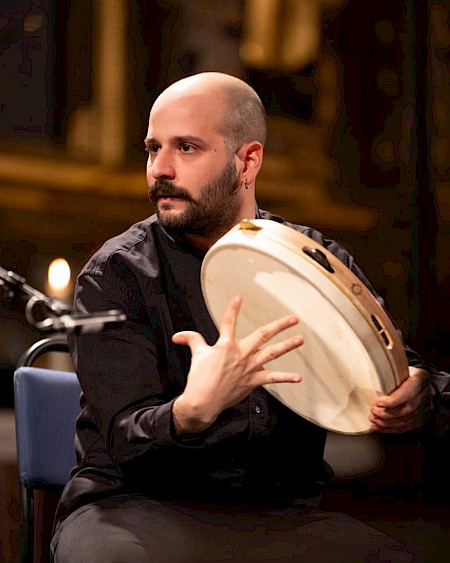
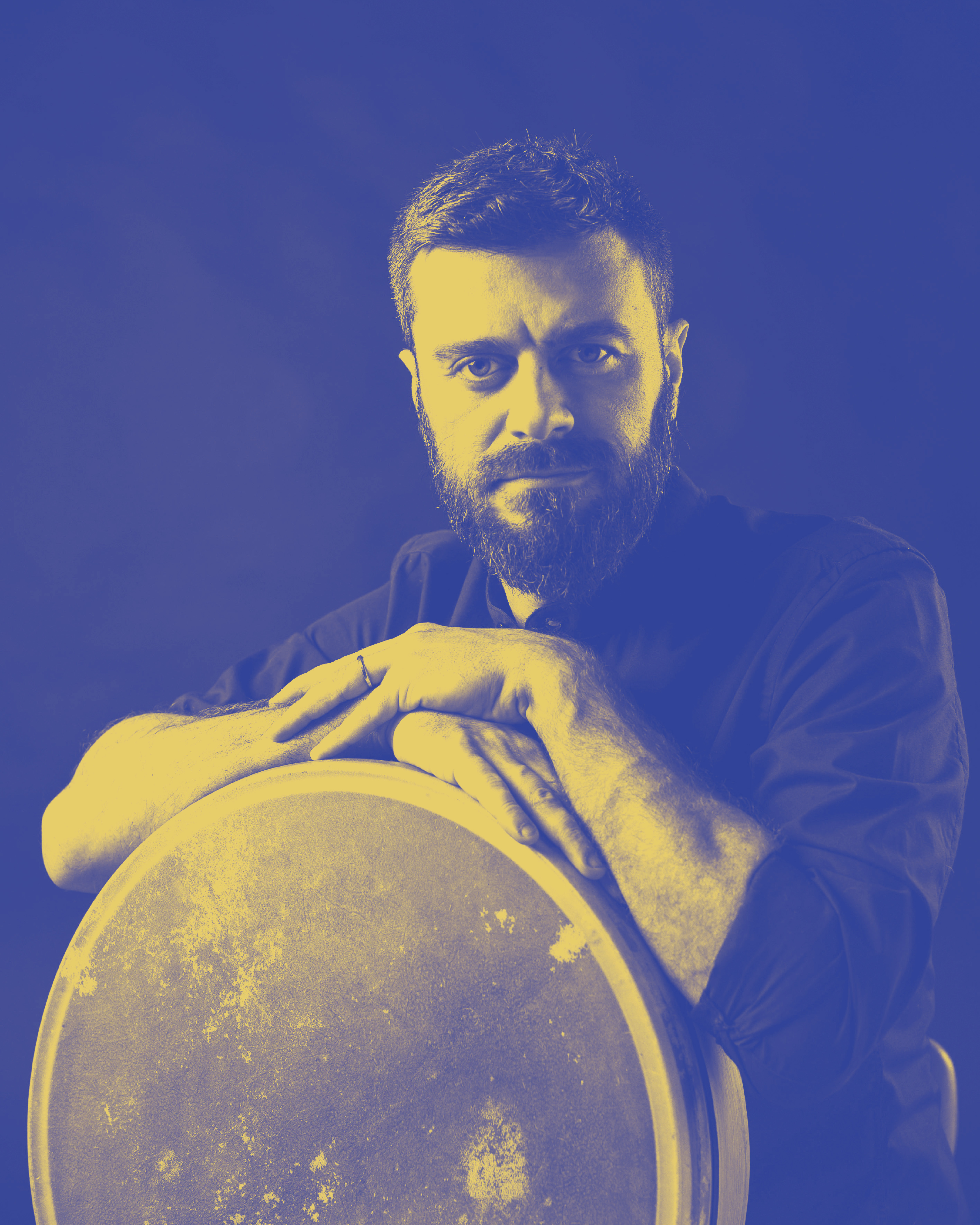
Lorenzo D' Erasmo
Lorenzo D'Erasmo (1993) graduated in Percussion Instruments with Andrea Pestalozza at the “G Verdi” Conservatory in Milan. He continued his studies at the Hochschule für Musik in Freiburg im Breisgau with Bernhard Wulff.
Finally, he studied with Claudia Caffagni at the Claudio Abbado Civic School of Music and completed a master's degree in medieval ensemble music. His first field of specialization was contemporary music. Lorenzo D'Erasmo has collaborated with ensembles such as Sentieri Selvaggi, MDI Ensemble, and Divertimento Ensemble.
He has participated in contemporary music festivals and seasons in Italy and abroad, such as MI.TO, the Venice Biennale, MilanoMusica Festival, Sound of Wander, Mantua Chamber Music Festival, Sentieri Selvaggi Season, Rondò Divertimento Ensemble, Orlèans Concours International de Piano, Fondazione Spinola Banna, Transart Bolzano, and many others. He has collaborated with musicians and composers such as Beat Furrer, Simon Steen-Andersen, Unsuk Chin, Francesco Filidei, Chaya Czernowin, Robert HP Platz, Toshio Hosokawa, and Yoichi Sugiyama. He has also collaborated with conductors Tito Ceccherini, Emilio Pomarico, and Filippo Perocco. In 2013 and 2015, he recorded two CDs with the Divertimento Ensemble for the Stradivarius label and in 2016 for the Limenmusic label.
In 2017, he began studying frame drums with Andrea Piccioni and Murat Coşkun.
He attended and completed his studies at the Frame Drum Academy of the Tamburi Mundi Festival in Freiburg im Breisgau with Murat Coskun. His specialization in frame drums and other instruments (such as percussion idiophones, dulcimer, rubber harp, and various percussion keyboards) brought him closer to early and traditional music, in a constant search to cultivate dialogue and ideal exchange between the various fields he has acquired.
He has held masterclasses and courses at various institutions and festivals, such as the G. Verdi Conservatory in Milan, the C. Abbado Civic Music School, the G. Verdi Conservatory in Como, and the L. Perosi Conservatory in Campobasso. He collaborates as a teacher for short and annual courses with Studio Salotto in Prova.
Thanks to his specialization in early music, he has established a dynamic and profound relationship between classical and historical percussion.
Lorenzo D'Erasmo has collaborated with early music ensembles such as La Reverdie, Les Haulz et le Bas, Ensemble Acadèmia Capella de Ministrers, Puy de Saint-Cyr, and Musica Antiqua Latina. He has participated in the Monteverdi Festival in Cremona, the Stresa Festival, the MAG Festival, the Goede Rede Concerten, and Early Music Sweden.
He has recorded with the Ensemble La Reverdie for Arcana.
In the field of Arabic music, he works with Mirna Kassis, Salah Namek, and Missak Baghboudarian. He is involved in improvisation projects and works and plays with electronic music artists such as Otolab, MMT, Go Dugong, Dove Quiet, and others.
- lorenzoderasmo.it
- youtube
Suite for Solo Frame Drum
Gallery